
Get Grease Trap Installation in Gwinnett County, GA
Grease trap installation services help property owners in Gwinnett County, GA, and nearby areas by installing, maintaining, and repairing grease traps to prevent plumbing clogs and odors.
Grease trap installation services are essential for property owners in Gwinnett County, GA, who want to ensure their commercial kitchens operate smoothly and efficiently. Properly installed grease traps help to prevent the buildup of fats, oils, and grease that can clog plumbing systems, reduce odors, and cause costly backups. By investing in professional installation, property owners can enjoy a more functional kitchen environment, minimizing disruptions and maintaining compliance with local health and safety standards.
Choosing expert grease trap installation offers numerous benefits, including enhanced durability and reduced maintenance needs over time. Well-installed traps are designed to withstand daily use and the local climate, providing long-lasting performance. Additionally, a professionally installed grease trap can improve curb appeal by keeping the property cleaner and more attractive, creating a positive impression for customers and visitors alike. This work supports overall safety, operational efficiency, and the property's value.
- Grease Trap Installation - Needed for restaurants and commercial kitchens to prevent grease buildup in plumbing systems.
- Grease Trap Replacement - Required when existing traps become outdated or fail to function properly.
- Grease Trap Maintenance - Important for food service establishments to ensure proper operation and compliance.
- Grease Trap Repair - Necessary when grease traps develop leaks or blockages that affect plumbing performance.
- Grease Trap Inspection - Recommended for facilities seeking to verify trap condition and ensure adherence to local regulations.
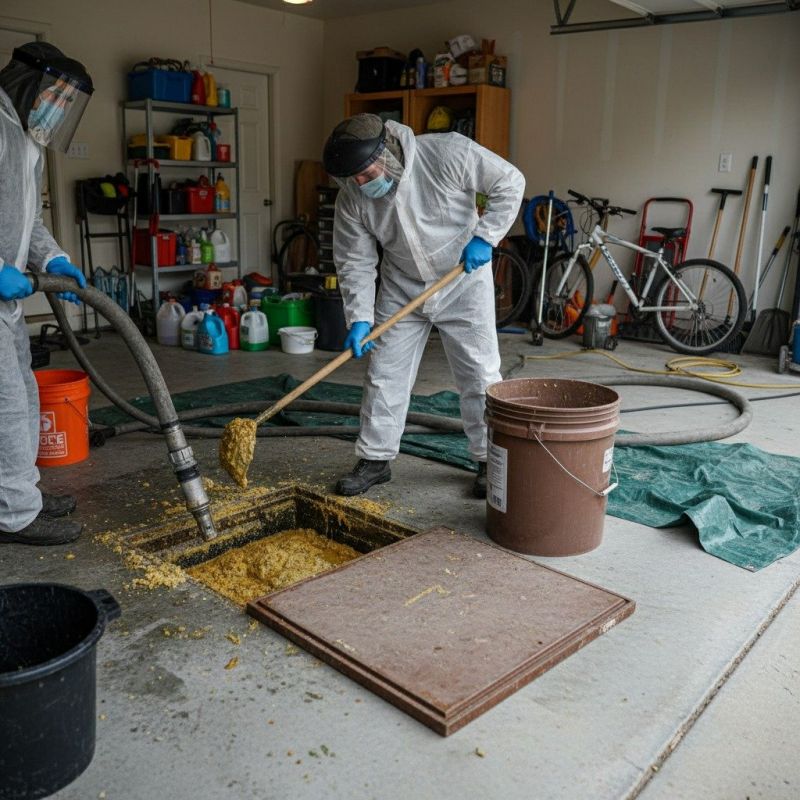
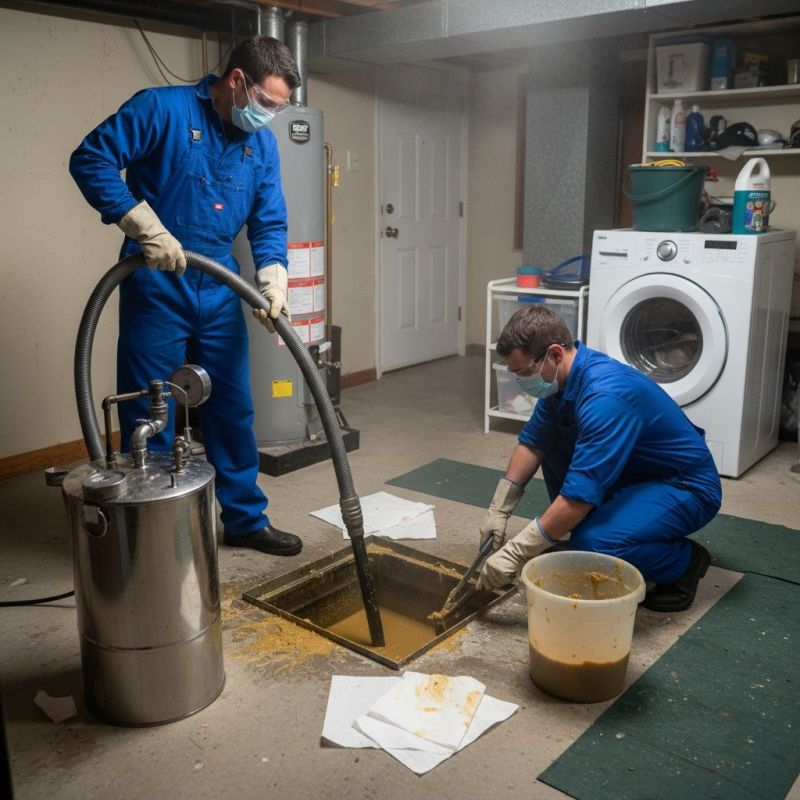
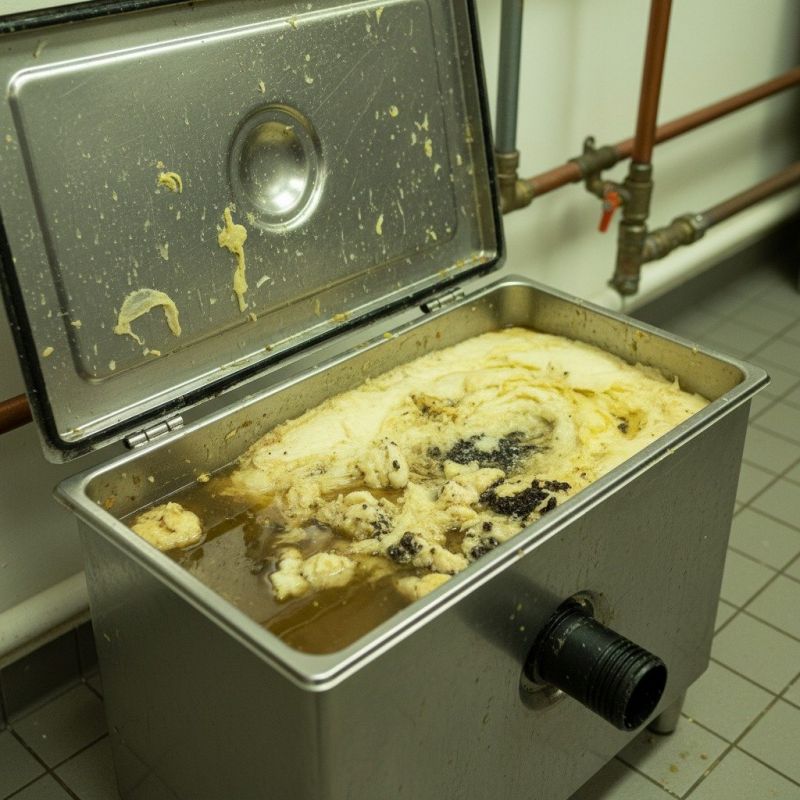
Grease trap installation services involve the setup of specialized devices designed to intercept and collect fats, oils, and greases from wastewater generated by commercial kitchens and food processing facilities. These systems are typically installed underground and positioned within the plumbing lines of a property’s kitchen or food preparation area. The installation process requires precise placement and connection to ensure the trap functions effectively, preventing fats and oils from entering the main sewage system. Professional contractors assess the property’s plumbing layout and local regulations to determine the appropriate size and type of grease trap needed for optimal performance.
Implementing a grease trap helps address common issues associated with commercial kitchen operations. Without proper interception, fats, oils, and greases can build up in plumbing pipes, leading to clogs, backups, and costly plumbing repairs. These blockages can disrupt daily operations, cause unpleasant odors, and result in environmental violations or fines. Installing a properly sized and maintained grease trap ensures that wastewater is filtered effectively, reducing the risk of plumbing problems and maintaining compliance with local health and sanitation standards.
Properties that typically utilize grease trap installation services include restaurants, cafes, catering businesses, hotels, and institutional kitchens such as schools or hospitals. Any commercial facility involved in food preparation and serving activities can benefit from these systems to manage wastewater responsibly. Additionally, some food processing plants and other food-related operations may require grease traps to prevent fats and oils from entering the municipal sewer system. Proper installation and maintenance of these systems are essential for keeping operations running smoothly and avoiding potential plumbing issues.
Professional grease trap installation services are available from local contractors experienced in commercial plumbing and waste management systems. These service providers evaluate each property’s specific needs, recommend suitable trap sizes, and ensure correct installation according to local codes and standards. Contacting qualified professionals can help property owners and managers ensure their grease management systems are installed correctly, functioning efficiently, and compliant with applicable regulations.
The overview below groups typical Grease Trap Installation projects into broad ranges so you can see how smaller, mid-sized, and larger jobs often compare in Gwinnett County, GA.
In many markets, a large share of routine jobs stays in the lower and middle ranges, while only a smaller percentage of projects moves into the highest bands when the work is more complex or site conditions are harder than average.
Installation Costs - The cost for installing a new grease trap typically ranges from $1,200 to $4,000, depending on size and complexity. Smaller units for cafes may be closer to the lower end, while larger systems for restaurants can be at the higher end.
Material Expenses - Material costs for grease traps generally fall between $300 and $1,500. Factors influencing price include the type of material used and the trap's capacity requirements.
Labor Charges - Labor fees for professional grease trap installation usually range from $500 to $2,000. The total can vary based on site accessibility and installation difficulty.
Additional Fees - Additional costs such as permits or site preparation may add $200 to $800 to the overall expense. These fees vary by local regulations and specific project needs.
Actual totals will depend on details like access to the work area, the scope of the project, and the materials selected, so use these as general starting points rather than exact figures.
Grease Trap Installation - Local service providers can assist with the proper installation of grease traps to ensure compliance with local regulations and efficient waste management.
Commercial Kitchen Setup - Professionals can install grease traps as part of new or renovated commercial kitchen setups, supporting smooth and compliant operations.
Restaurant Maintenance Services - Regular maintenance and installation services help restaurants keep grease traps functioning effectively and prevent blockages.
Food Service Facility Upgrades - Upgrading existing facilities with new grease trap systems can be handled by experienced contractors to meet current standards.
Waste Management System Integration - Installation of grease traps can be integrated into broader waste management solutions by local specialists.
Regulatory Compliance Assistance - Experts can ensure grease trap installations meet local codes and environmental regulations for commercial properties.
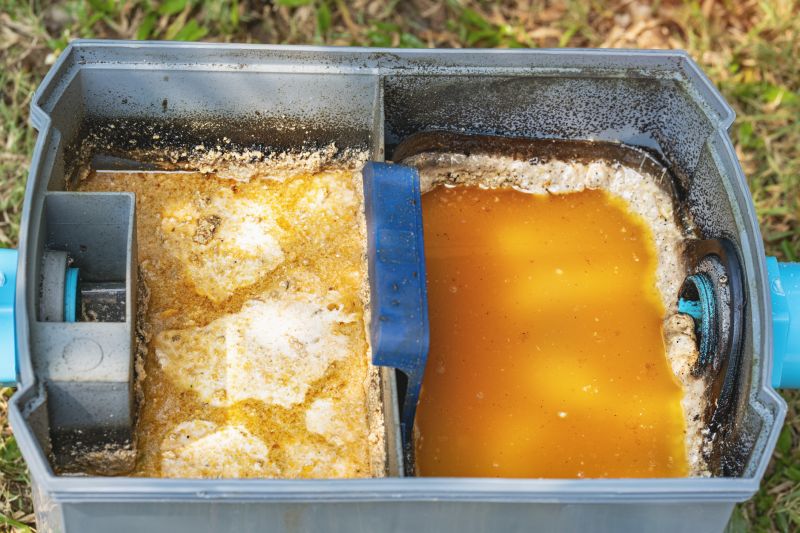
When selecting a professional for grease trap installation, it’s important to consider their experience with similar projects. Homeowners should look for service providers who have a proven track record in installing and maintaining grease traps, particularly within the local area. Experienced contractors are more likely to understand local codes and best practices, which can contribute to a smoother installation process and long-term reliability.
Clear and detailed written expectations are crucial when working with a service provider. Homeowners should seek out professionals who provide comprehensive descriptions of the scope of work, materials used, and any relevant procedures. Having these expectations documented helps ensure that both parties are aligned on the project’s requirements, reducing misunderstandings and facilitating a more efficient process.
Reputation and communication are also key factors to consider. Reputable local pros are often recommended by previous clients or have established a positive standing within the community. Good communication involves prompt responses, transparent explanations, and a willingness to address questions or concerns. Homeowners are encouraged to gather references or reviews to verify a contractor’s reputation and to engage with providers who demonstrate clear, consistent communication throughout the planning and installation phases.
Property owners in Gwinnett County, GA use Grease Trap Installation services for practical projects around their homes and businesses. The sections below highlight everyday jobs and straightforward project options.
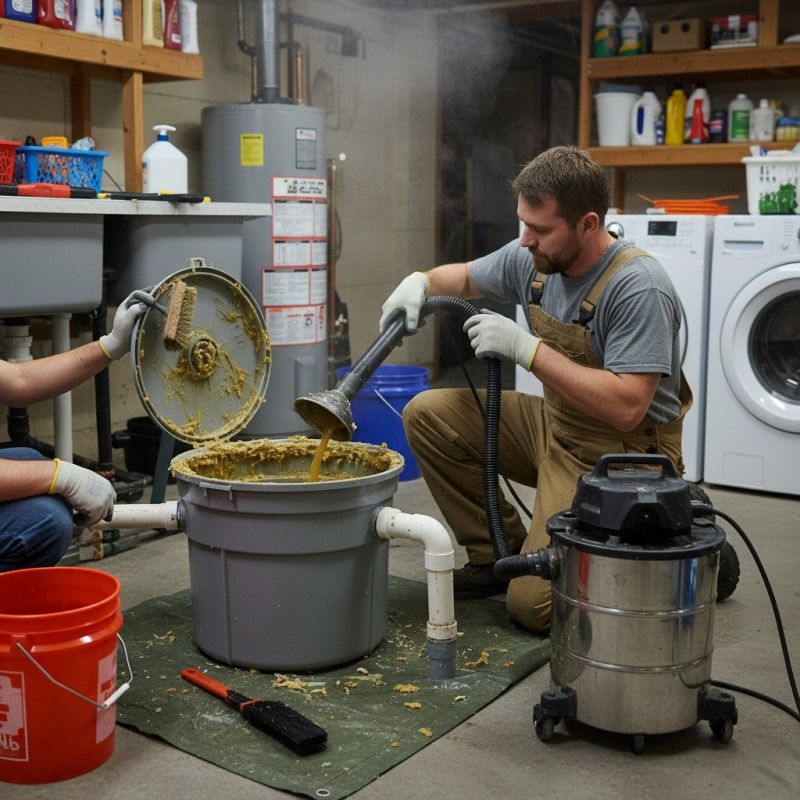
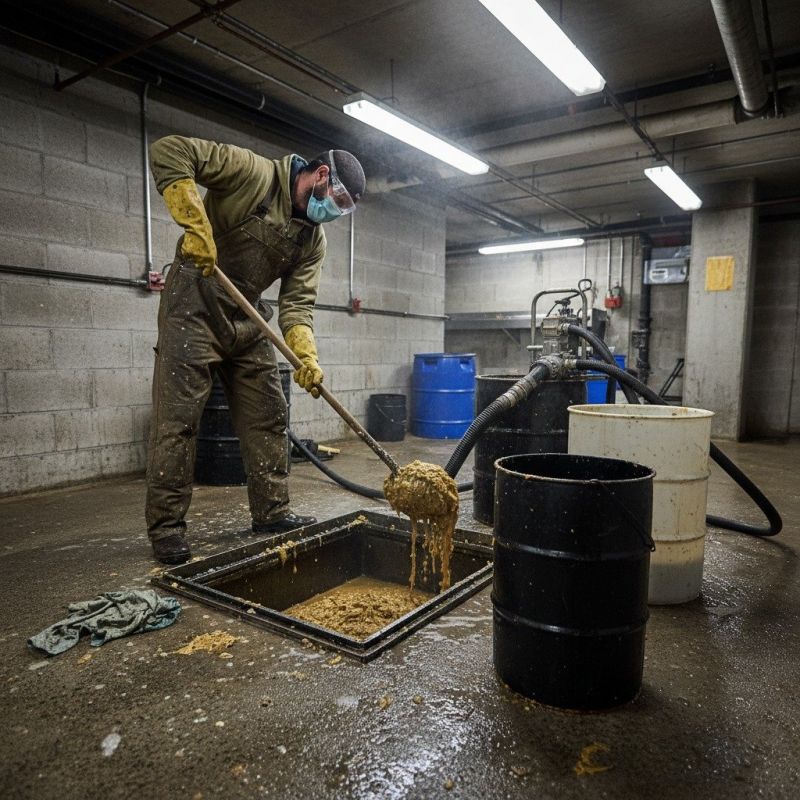
Grease trap installation services are commonly sought by property owners in Gwinnett County, GA, who operate restaurants, cafeterias, or commercial kitchens. Properly installed grease traps help prevent fats, oils, and greases from entering the plumbing system, reducing the risk of clogs and backups that can disrupt daily operations. Property managers may also look for these services when upgrading existing systems or ensuring compliance with local health and safety regulations.
Additionally, new commercial developments or renovations often require the installation of grease traps to meet industry standards. Business owners may contact local service providers to ensure the equipment is correctly installed and functioning efficiently. Having a professionally installed grease trap can support smooth kitchen operations and help avoid costly plumbing issues down the line.
What is a grease trap? A grease trap is a device installed in plumbing systems to capture fats, oils, and grease from wastewater before it enters the sewer system.
Why is grease trap installation important? Proper installation helps prevent clogs, backups, and potential plumbing or sewer issues in commercial kitchens and food service facilities.
How long does a grease trap installation typically take? The duration can vary depending on the size and complexity of the system, but many installations are completed within a day by local service providers.
What should be considered when choosing a grease trap? Factors include the size of the establishment, flow volume, local regulations, and the type of food service operation.
How can I find local professionals for grease trap installation? Contacting experienced plumbing or waste management service providers in the Gwinnett County area can connect you with qualified local contractors.
Grease Trap Installation Services - Professionals can install new grease traps to ensure proper waste management for commercial kitchens.
Maintenance & Inspection - Regular inspections and maintenance services help prevent blockages and ensure efficient trap operation.
Trap Replacement & Upgrades - Local experts offer replacement or upgrading of existing grease traps to meet current standards and needs.
Customized Installation Solutions - Service providers can tailor grease trap installations to fit specific property layouts and operational requirements.
Considering Grease Trap Installation for a property in Gwinnett County, GA? The sections above highlight common project types, practical options, and details that often shape the scope of work.
When you are ready, use the quote form to share a few details about your project. Local pros can review the basics and respond with options that match what you have in mind.